Skip to content
Fall plantingFall is the best time to plant in Middle Tennessee: book a free yard walk now
SweetgrassLandscapes

Native & Pollinator Gardens · Cedar Bluff

Gardens that hum all summer

Plants that grew here before the subdivisions already know how to handle our clay, heat and wet springs. A native garden feeds bees, butterflies and birds, needs less water once settled, and looks right at home.

Variety · Native & Pollinator Gardens

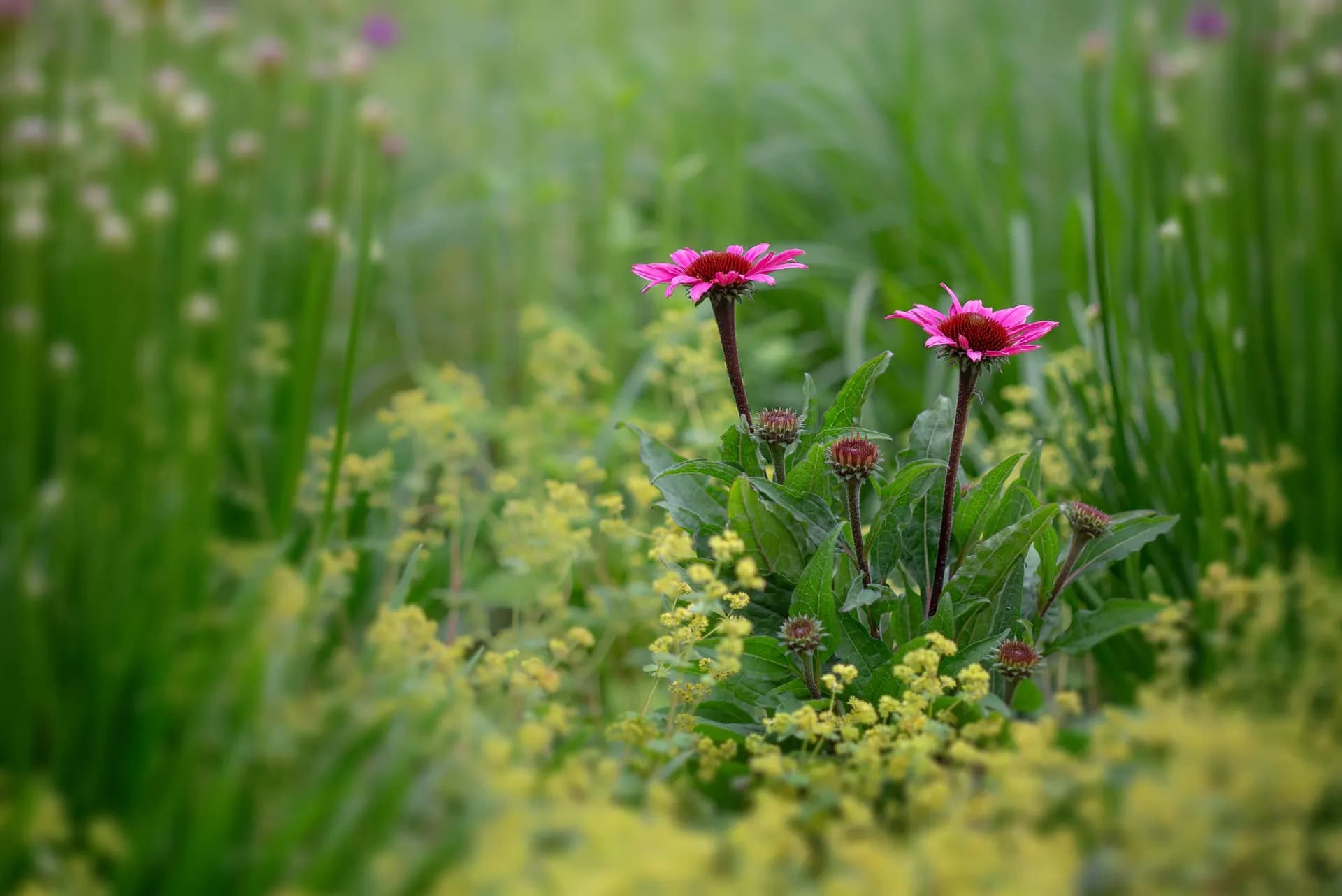
Pink coneflowers rising from a soft meadow planting

Sweetgrass

  • Tennessee native plant palette
  • Bloom from spring to late fall
  • Designed edges for a tidy look

Sow, grow, enjoy

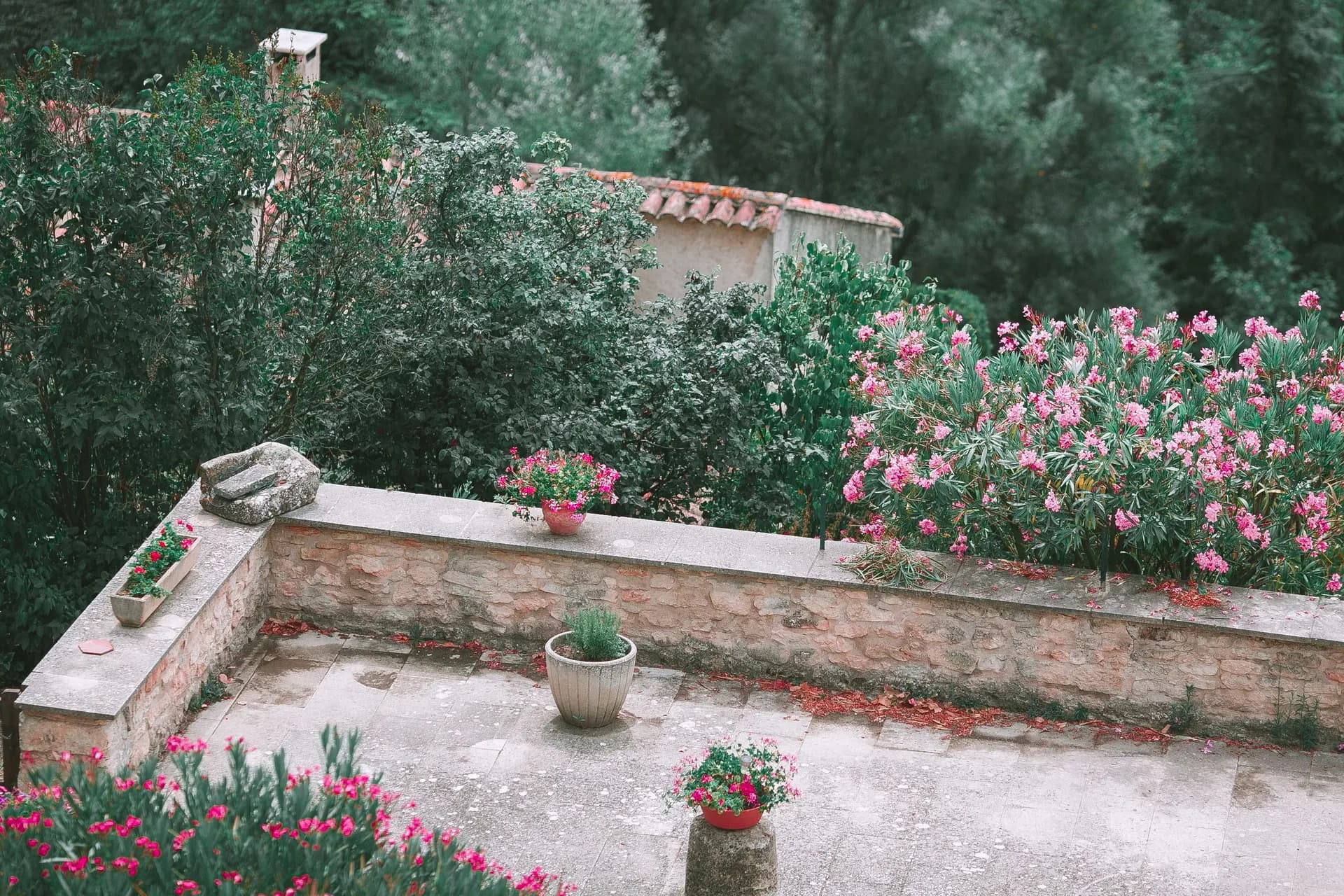
  1. Stone-walled garden terrace with pink roses and potted flowers

    Packet No. 01

    Natives that behave

    We use tough, well-mannered natives: purple coneflower, black-eyed Susan, bee balm, mountain mint, aromatic aster, little bluestem and prairie dropseed. Planted in drifts, they look intentional rather than weedy.

    A crisp edge, a path through the middle or a low hedge around the outside tells neighbors (and HOAs) the garden is designed.
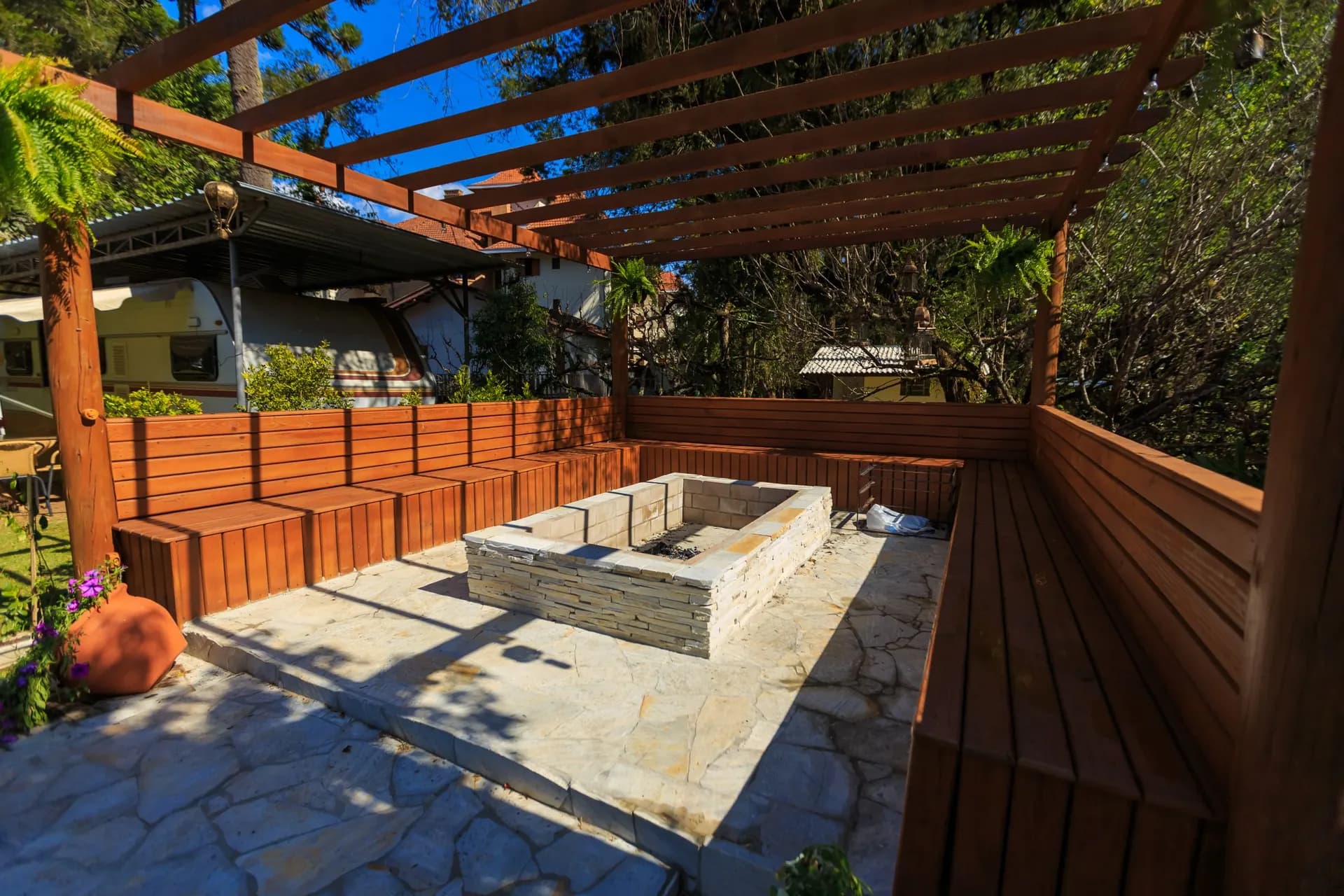
  2. Stone fire pit with built-in wood benches under a cedar pergola

    Packet No. 02

    Something blooming every month

    We plan for early spring blooms through late-fall asters so pollinators have food from March to November, and leave seed heads standing for winter birds.

    Most native gardens need weekly water the first summer only, then very little.

Go native if

  • A sunny lawn area struggles every summer
  • You want more bees, butterflies and birds
  • You're tired of replacing annuals
  • Deer eat most of what you plant
  • You'd like a garden that needs less water

Planting instructions

1.Tennessee native plant palette
2.Bloom from spring to late fall
3.Designed edges for a tidy look
4.Deer-resistant selections
5.Less watering once established
6.Pollinator habitat certification help

Native & Pollinator Gardens questions

Will it look messy?

Not when it's designed with edges, drifts and paths. We plan for a tidy look, including for HOA rules.

Do natives need fertilizer?

Rarely. Most do best in ordinary clay amended with a little compost.

Are coneflowers deer-proof?

Nothing is truly deer-proof, but coneflowers, mountain mint and bluestem are low on their menu.

Get a Native & Pollinator Gardens Quote

No obligation. We respond within 24 hours.

No obligationReply within 24 hrsLicensed & insured
Reviews

What Customers Are Saying

★★★★★
We'd given up on gardening because of the deer. Two years later the native beds Sweetgrass planted are full and the deer walk right past them.
DWDana W.Fox Hollow · Native & Pollinator Gardens
★★★★★
June walked the yard with a shovel and found why our back corner was always a swamp. The new beds and drain fixed it, and the coneflowers are covered in bees.
M&Megan & Luis P.Cedar Bluff · Landscape Design
★★★★★
They ripped out the overgrown builder shrubs and replanted the front beds at the right size. Our house finally looks like it belongs on the street, and the HOA approved it in a week.
RHRobert H.Maple Grove · Planting & Garden Beds
More services

Related Services

Call NowFree Estimate