
Skip to content
Fall plantingFall is the best time to plant in Middle Tennessee: book a free yard walk now
SweetgrassLandscapes

Planting & Garden Beds · Cedar Bluff

Garden beds that look better every year

A good bed is mostly about what you can't see: loosened clay, compost where roots need it, a clean edge and plants spaced for their mature size. Get those right and the garden fills in instead of falling apart.

Variety · Planting & Garden Beds

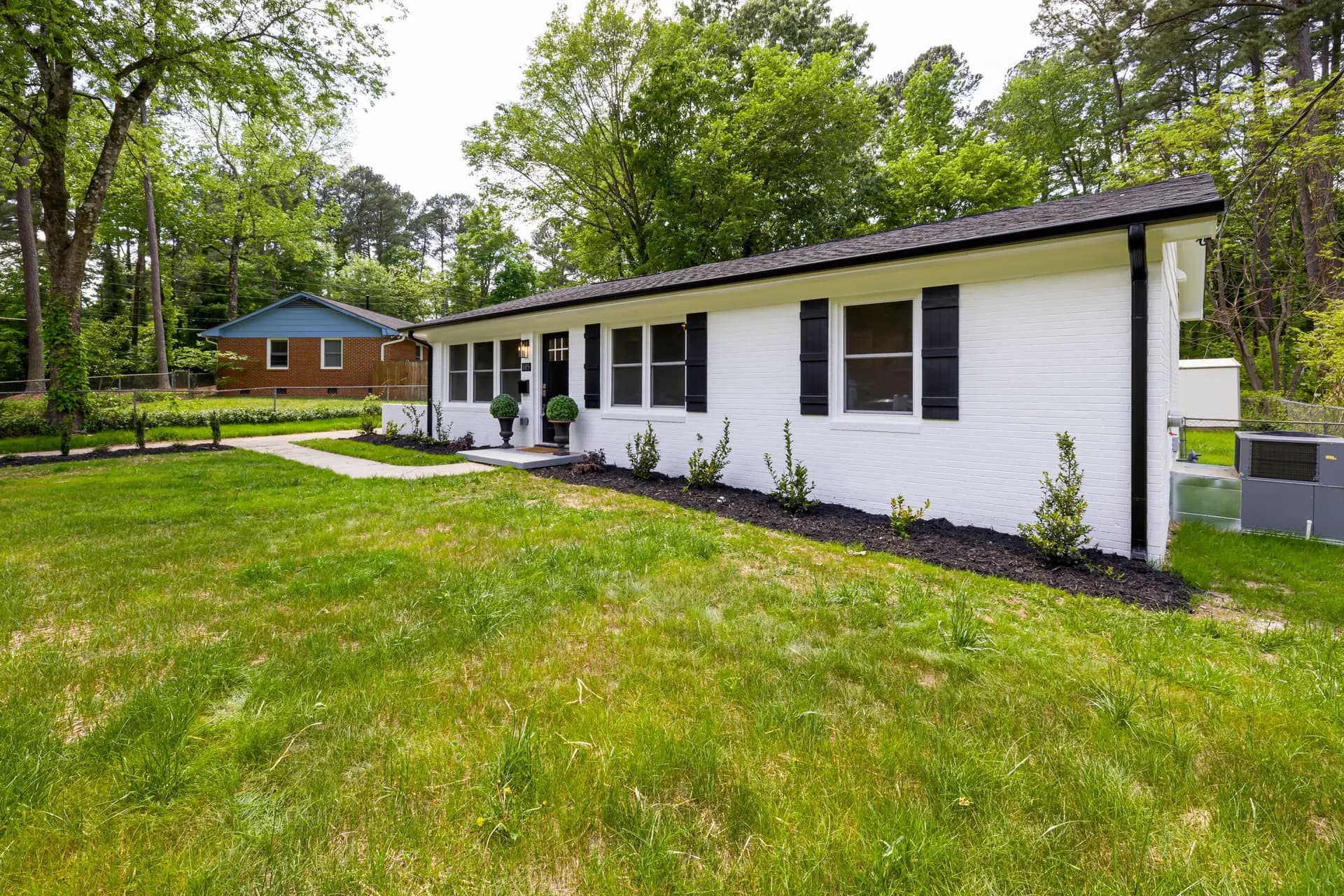
White brick house with fresh foundation plantings and mulched beds

Sweetgrass

  • Deep bed prep for clay
  • Compost blended where roots need it
  • Right-depth tree and shrub planting

Sow, grow, enjoy

  1. Aerial view of a home with curving planting beds, lawn and a brick walk

    Packet No. 01

    Clay, handled properly

    We loosen beds deeply and blend in compost, but we don't create a 'bathtub' of soft soil in hard clay that fills with water. Beds are raised slightly and graded so water drains out.

    Trees go in at the right depth with the root flare showing, which is the single most common thing we see done wrong.

  2. Green two-story house with a neat lawn, shrubs and a young shade tree

    Packet No. 02

    Plants with jobs

    Every bed gets a backbone of evergreen shrubs for winter, perennials for color from April to October and a few natives for pollinators. We favor plants that handle heat, humidity and wet springs: inkberry, clethra, coneflower, salvia and little bluestem among them.

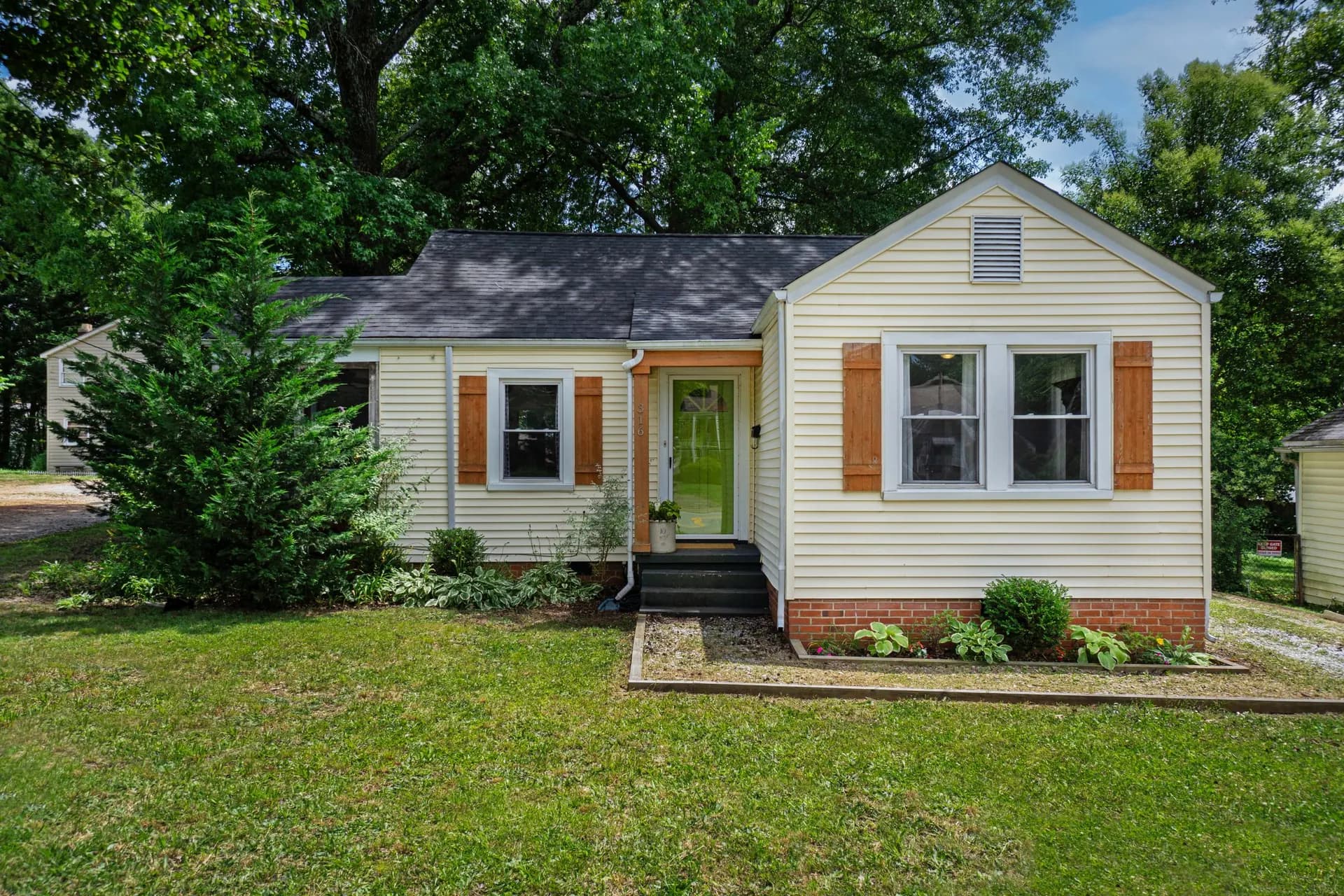
    Foundation plantings are kept far enough from the house to breathe, and sized so they won't swallow the windows in five years.

  3. Cottage with a green door, foundation shrubs and a sloping front lawn

    Packet No. 03

    Finished edges

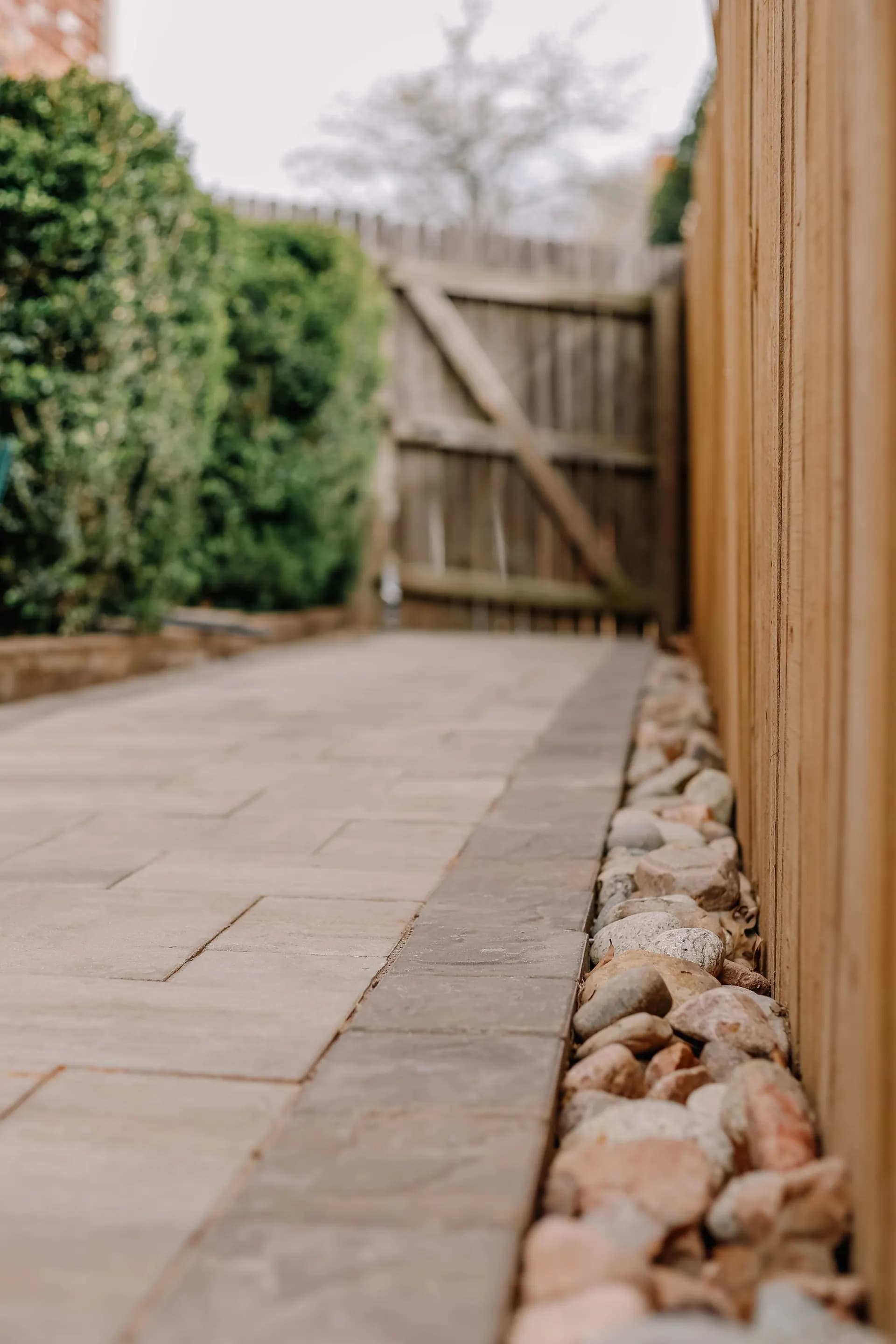
    We cut a crisp spade edge or install steel edging, then mulch two to three inches deep. A defined edge makes even a young bed look cared for.

    You get a short care sheet for the first summer, including how often to water while roots settle.

Your beds need help if

  • Shrubs are covering windows or touching siding
  • Plants die back every August
  • Mulch washes onto the walk in every storm
  • Weeds outnumber flowers by June
  • The beds look the same in every season

Planting instructions

1.Deep bed prep for clay
2.Compost blended where roots need it
3.Right-depth tree and shrub planting
4.Steel or spade-cut edging
5.2–3" hardwood mulch
6.1-year plant warranty

Planting & Garden Beds questions

When is the best time to plant?

Fall. Roots grow through our mild winters while tops rest, so plants handle their first summer much better than spring plantings.

Do you remove old shrubs?

Yes, including stumps and roots, and we'll tell you which existing plants are worth keeping.

What mulch do you use?

Double-shredded hardwood in most beds, pine straw on slopes where it holds better, and no dyed mulch.

Get a Planting & Garden Beds Quote

No obligation. We respond within 24 hours.

No obligationReply within 24 hrsLicensed & insured
Reviews

What Customers Are Saying

★★★★★
They ripped out the overgrown builder shrubs and replanted the front beds at the right size. Our house finally looks like it belongs on the street, and the HOA approved it in a week.
RHRobert H.Maple Grove · Planting & Garden Beds
★★★★★
June walked the yard with a shovel and found why our back corner was always a swamp. The new beds and drain fixed it, and the coneflowers are covered in bees.
M&Megan & Luis P.Cedar Bluff · Landscape Design
★★★★★
We'd given up on gardening because of the deer. Two years later the native beds Sweetgrass planted are full and the deer walk right past them.
DWDana W.Fox Hollow · Native & Pollinator Gardens
More services

Related Services

Call NowFree Estimate